Political Risk, Financial Risk: The ERM Blind Spot in Ghana’s Public Sector
A policy change delays funding. Delayed funding raises costs. Rising costs create a crisis. Here’s the blind spot in Ghana’s public-sector risk management.

A policy change delays funding. Delayed funding raises costs. Rising costs create a crisis. Here’s the blind spot in Ghana’s public-sector risk management.
Too little stock loses sales. Too much ties up cash. Here’s how data is helping Ghana’s auto parts businesses get it right.
Ghost workers. Duplicate payroll records. Millions vanish quietly. Here’s how government payroll fraud actually happens — and how to stop it.
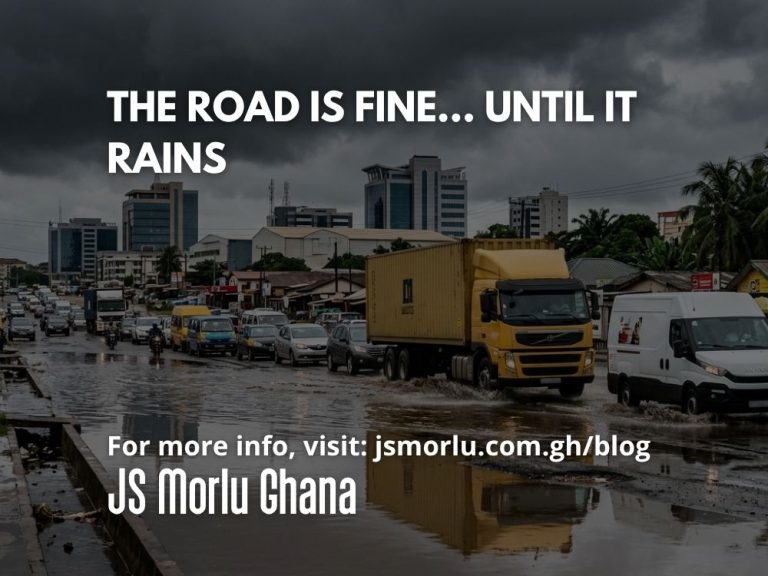
Traffic, rain, and port delays quietly turn Ghana’s logistics into a real cost of doing business.
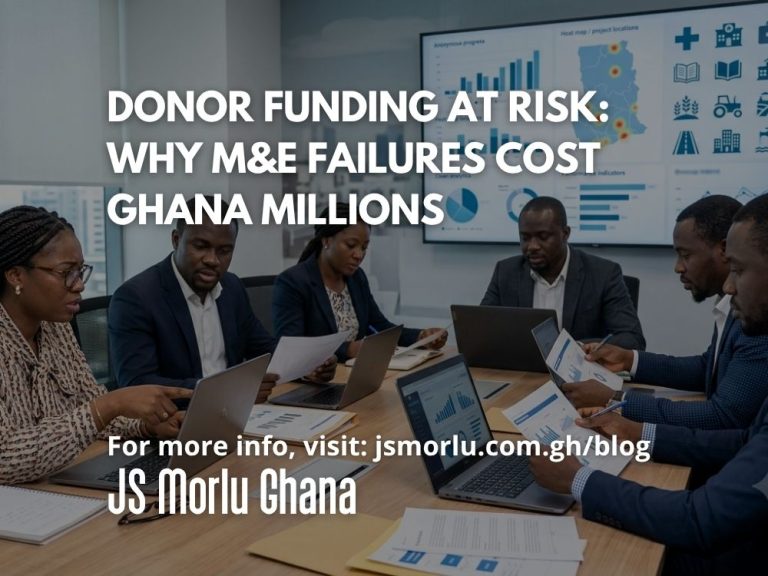
Weak M&E systems put donor funding at risk. Strong monitoring and evaluation protects investments and drives real project impact.
Poor valuation quietly drains government revenue through undervalued assets, inflated compensation, and outdated data — here’s how it happens.
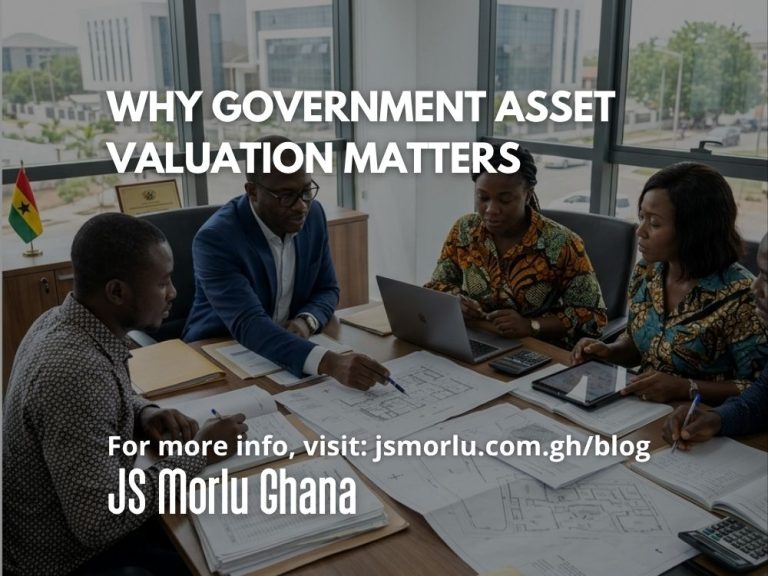
Discover why government asset valuation is essential for transparent public finance, better budgeting, and national development planning.
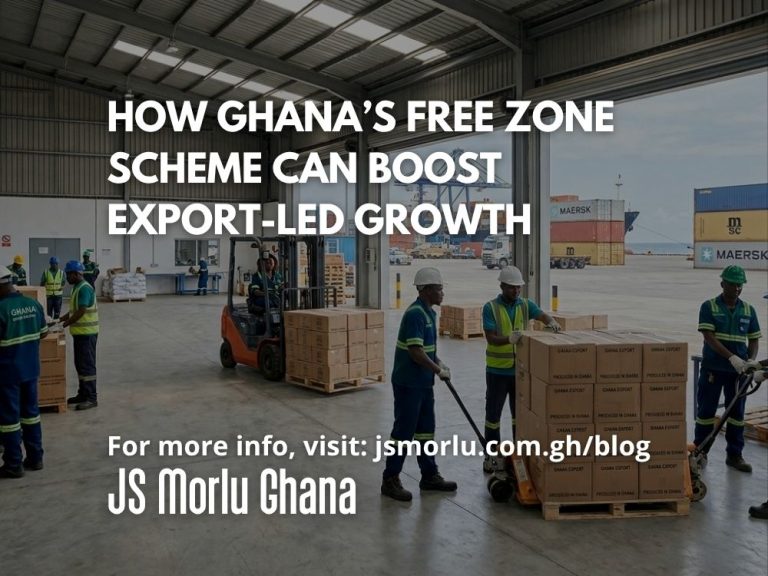
Ghana’s Free Zone Scheme cuts costs, attracts investment, and drives export-led growth for a stronger global trade position.
Africa’s digital finance is evolving beyond mobile money — here’s what the next phase means for your business.
Ghana’s 7-year bond offers 12%–12.5% returns, signaling lower borrowing costs and renewed investor confidence.
Ghana’s independence story now drives investment opportunity, regional influence, and business growth across West Africa.
Digital economy taxes explained: what Digital Services Taxes are, why old rules fail, and key challenges for governments and businesses.