
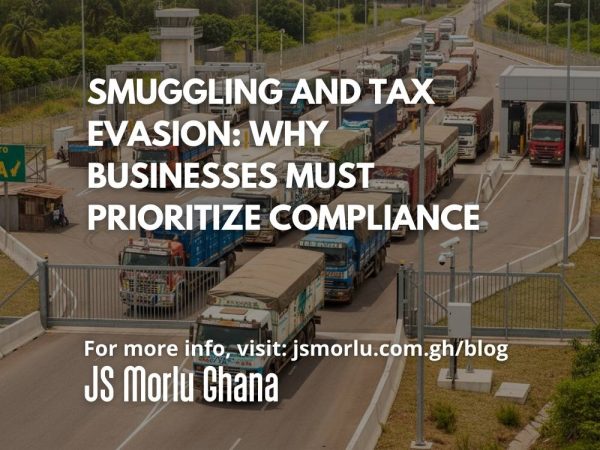
Smuggling and Tax Evasion: Lessons for Ghanaian Businesses
Recent operations by the Ghana Revenue Authority (GRA) have once again highlighted the risks and consequences of smuggling and tax evasion. Last week, the GRA intercepted products worth GH¢3.6 million at two key entry points. These items including rice, sugar, textiles, and cooking oil were under-declared and misclassified, intended for transit to Burkina Faso. The drivers involved were arrested, and the goods were confiscated.
This is not an isolated incident. Similar operations last month resulted in the recovery of GH¢4.6 million for the state. These figures underscore a critical point: smuggling and tax evasion not only undermine government revenue but also threaten legitimate businesses and job opportunities.
The Cost of Non-Compliance
Commissioner General Anthony Kwasi Sarpong stressed that smuggling “kills businesses, takes away job opportunities, and denies the state the necessary revenue for national development.” For businesses, the implications are clear: engaging in tax evasion or misclassifying goods can result in heavy fines, confiscation of goods, loss of capital, and even criminal charges.
Why Paying Taxes Matters
- Supports National Development: Taxes fund infrastructure, healthcare, education, and social programs that benefit the business environment.
- Protects Your Business: Compliance safeguards your company against legal penalties, reputational damage, and financial losses.
- Promotes Fair Competition: Paying the right taxes ensures a level playing field, preventing unscrupulous competitors from gaining an unfair advantage.
Building a Tax-Savvy Business Culture
Businesses must prioritize understanding and paying the correct taxes. Proper documentation, accurate product classification, and timely duty payments are essential. Avoiding shortcuts like smuggling or under-declaring goods may seem profitable in the short term but carries long-term risks that can jeopardize the survival of your enterprise.
Conclusion
The GRA’s recent bust serves as a reminder that tax compliance is not optional, it is central to sustainable business growth and national progress. By prioritizing transparency, paying taxes, and operating ethically, businesses contribute to a stronger Ghanaian economy, protect their investments, and build trust with stakeholders.